1. Electronic products
2. Electro-Mechanical products
3. Mechanical products
Electronic products
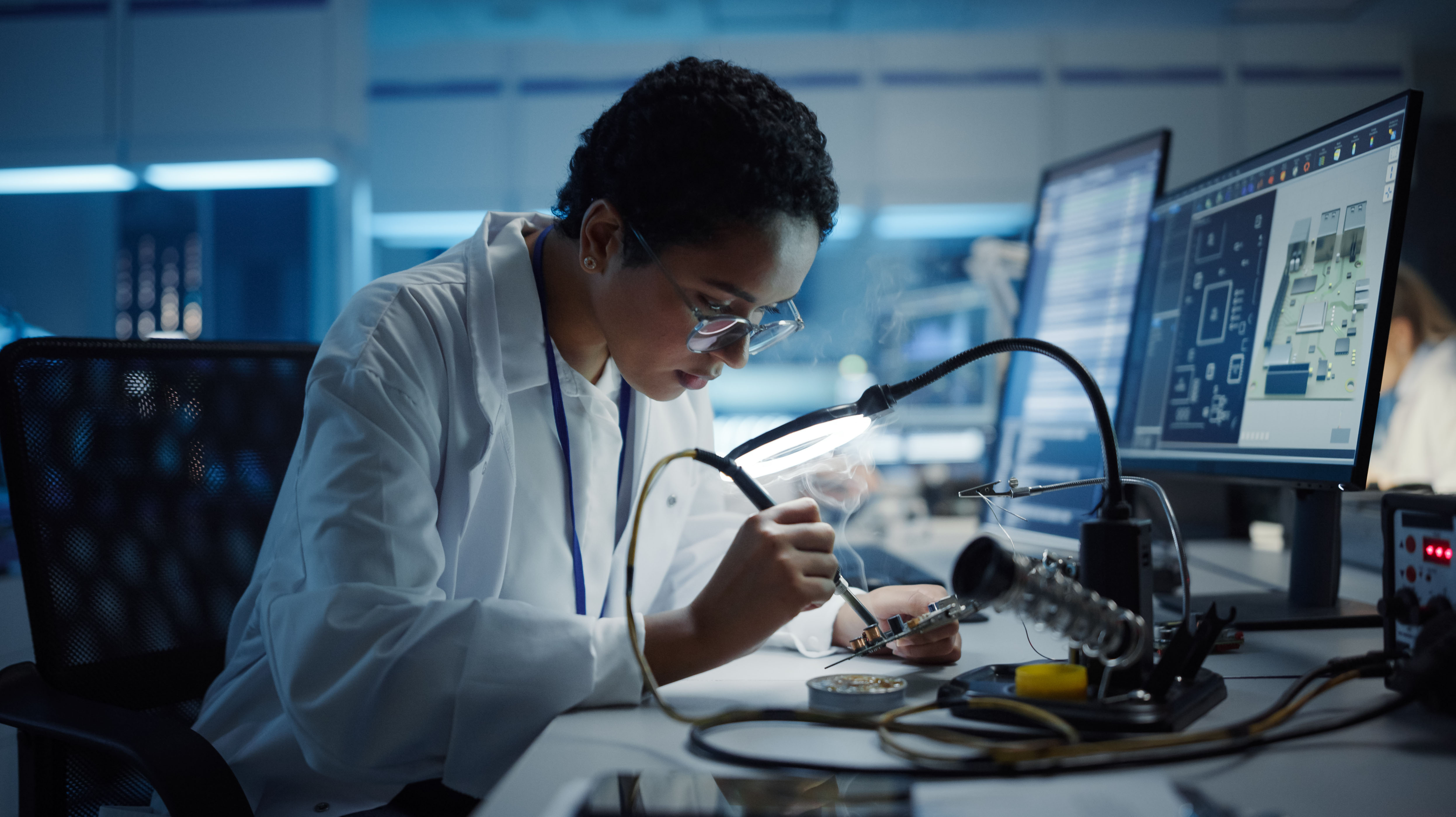
Electronic products encompass a wide range of devices that utilize electronic components to perform various functions. These products leverage the manipulation of electrical signals to achieve tasks such as computing, communication, entertainment, and automation. Here are some categories and examples of electronic products:
1. Consumer Electronics:
o Smartphones: Devices combining communication, computing, and multimedia capabilities.
o Tablets: Portable computing devices with touchscreen interfaces.
o Laptops and Desktop Computers: Personal computing devices for various tasks.
o Digital Cameras: Devices for capturing, storing, and sharing images and videos.
o Gaming Consoles: Systems designed for playing video games, often with multimedia features.
o Smart TVs: Televisions with integrated internet connectivity and interactive features
.
2. Communication Devices:
o Mobile Phones: Handheld devices for voice calls, messaging, and internet access.
o Landline Phones: Traditional telephones for voice communication over wired networks.
o Modems and Routers: Devices for connecting to and sharing internet access.
o Walkie-Talkies: Portable radios for short-range communication, often used in industries like construction and public safety.
3. Wearable Technology:
o Smart watches: Wrist-worn devices with features like fitness tracking, notifications, and apps.
o Fitness Trackers: Devices for monitoring physical activity, sleep, and health metrics.
o Smart Glasses: Eyewear with integrated displays and computing capabilities.
o Wearable Cameras: Cameras designed to be worn on the body for capturing first-person perspectives.
These examples illustrate the broad spectrum of electronic products that have become integral parts of modern life, providing convenience, entertainment, communication, and functionality in various domains.
Electro-Mechanical products
Electro-mechanical products combine both electronic and mechanical components to perform their intended functions. These products often leverage the strengths of both disciplines, utilizing electronics for control, sensing, and processing, while employing mechanical components for physical movement, manipulation, or support. Examples of electro-mechanical products include:
1. Robotics: Robotic systems use a combination of electronic sensors, microcontrollers, and actuators (mechanical devices for controlling movement) to perform tasks ranging from industrial automation to household chores.
2. Automotive Systems: Vehicles rely on electro-mechanical systems for various functions, including engine control, braking, steering, and entertainment/navigation systems. These systems integrate electronic components like sensors and control modules with mechanical components such as engines, transmissions, and braking mechanisms.
3. Medical Devices: Many medical devices, such as infusion pumps, ventilators, and imaging systems, are electro-mechanical in nature. They incorporate electronic components for monitoring, control, and data processing, along with mechanical components for physical operation and manipulation.
4. Actuators and Motors: Devices like servo motors, linear actuators, and stepper motors are essential components in numerous electro-mechanical systems, providing precise control over movement and positioning.
5. HVAC Systems: Heating, ventilation, and air conditioning (HVAC) systems often include electronic controls for regulating temperature, humidity, and air quality, as well as mechanical components like fans, compressors, and ductwork for air circulation and distribution.
6. Home Automation Devices: Smart home products, such as smart thermostats, door locks, and lighting systems, combine electronic sensors, microcontrollers, and wireless communication with mechanical actuators to provide automated control and monitoring of household functions.
These examples highlight the diverse applications of electro-mechanical products, which leverage the synergy between electronics and mechanics to achieve complex functionalities in various fields.
Mechanical products:
Mechanical products encompass a wide variety of devices and systems that utilize mechanical principles to perform tasks involving movement, force, or energy conversion. These products often involve mechanisms, structures, and components designed to manipulate or transmit mechanical energy. Here are some categories and examples of mechanical products:
1. Automobiles:
o Cars: Vehicles designed for transporting passengers and goods on roads, typically powered by internal combustion engines or electric motors.
o Trucks: Larger vehicles used for transporting goods over longer distances, often with specialized configurations for various industries.
o Motorcycles: Two-wheeled vehicles for personal transportation, ranging from small scooters to high-performance sport bikes.
2. Machinery and Equipment:
o Industrial Machinery: Machines used in manufacturing and production processes, including lathes, milling machines, presses, and CNC (Computer Numerical Control) equipment.
o Agricultural Equipment: Farm machinery like tractors, harvesters, plows, and seeders for planting, cultivating, and harvesting crops.
3. Infrastructure and Utilities:
o Power Plants and Energy Systems: Facilities and equipment for generating, transmitting, and distributing electrical or mechanical energy, including turbines, generators, and transformers.
These examples demonstrate the diverse range of mechanical products that play crucial roles in transportation, industry, construction, agriculture, and daily life. They highlight the importance of mechanical engineering principles in designing and manufacturing devices for various applications.
Our experience in hardware designs is as follows:
1. Architecture / System Designs
2. Processors
o Various families of 8/16/32 bit processors, micro controllers, SOCs, dsPIC, ARM Cortex.
Architecture and system designs in the context of processors involve the conceptualization, development, and implementation of the underlying structures and functionalities of processors used in electronic devices. This includes defining the instruction set architecture (ISA), designing the microarchitecture, and integrating various components to create efficient and reliable processing units. Here's an overview of some common processor families and their characteristics:
1. Various Families of 8/16/32-bit Processors:
o These processors typically refer to general-purpose microprocessors with different word lengths, indicating the size of data they can process in a single instruction cycle. They are commonly used in embedded systems, consumer electronics, and industrial applications.
o Examples include the Intel 8051, Atmel AVR, and Microchip PIC families for 8-bit processors, as well as the Intel 8086, Motorola 68000, and ARM7 families for 16/32-bit processors.
2. Microcontrollers:
o Microcontrollers are integrated circuits (ICs) that combine a processor core with memory, input/output peripherals, and other components on a single chip. They are designed for embedded systems and applications where cost, size, and power efficiency are critical.
o Examples include the Atmel AVR, Microchip PIC, and STMicroelectronics STM32 families, which offer a wide range of features and performance levels for diverse applications.
3. System-on-Chip (SoC):
o SoCs integrate multiple processing units, such as CPUs, GPUs, DSPs (Digital Signal Processors), and hardware accelerators, along with memory, interfaces, and other peripherals, into a single chip. They are commonly used in smartphones, tablets, IoT devices, and automotive electronics.
o Examples include Qualcomm Snapdragon, Apple A-series, and Samsung Exynos SoCs, which combine powerful processing capabilities with energy efficiency and multimedia features.
4. dsPIC (Digital Signal Controller):
o dsPICs are a family of microcontrollers optimized for digital signal processing (DSP) applications. They feature specialized instructions, peripherals, and hardware accelerators for efficiently processing and manipulating digital signals in real-time.
o These processors are commonly used in audio processing, motor control, power electronics, and communication systems where high-performance signal processing is required.
5. ARM Cortex:
o ARM Cortex processors are a family of CPU cores designed by ARM Holdings, offering a range of performance levels and power efficiency for various applications. They are widely used in smartphones, tablets, IoT devices, and embedded systems.
o Examples include the Cortex-M series for microcontrollers, Cortex-A series for application processors, and Cortex-R series for real-time applications like automotive and industrial control.
Overall, the selection of a processor architecture depends on factors such as performance requirements, power constraints, cost considerations, and ecosystem support, with each family offering different trade-offs and capabilities suited to specific application domains.
Automotive and Transportation Industry Services
The automotive and transportation industry encompasses a wide range of services aimed at designing, manufacturing, maintaining, and improving vehicles and transportation systems. Here are some key services within this industry:
Automotive Technology and Innovation:
Companies in the automotive and transportation industry focus on developing and implementing new technologies to improve vehicle performance, safety, efficiency, and sustainability.
This includes advancements in areas such as electric and autonomous vehicles, connectivity, vehicle-to-everything (V2X) communication, and advanced driver-assistance systems (ADAS).
Advance implementation in EMU application.
One possible interpretation is that it stands for "Electronic Control Unit" (ECU) for Automotive applications.
An Electronic Control Unit (ECU) is a critical component in modern vehicles that controls various functions and subsystems. It typically consists of a microcontroller or microprocessor, along with input/output interfaces and embedded software. ECUs are responsible for tasks such as engine management, transmission control, anti-lock braking, traction control, airbag deployment, and more.
Another interpretation could be "Electric Multiple Unit" (EMU), which refers to a type of train consisting of multiple self-propelled carriages powered by electric motors. EMUs are commonly used in urban and suburban rail transit systems for passenger transportation.
These services collectively contribute to the functioning and evolution of the automotive and transportation industry, addressing various needs of consumers, businesses, and society as a whole.